How to Grow Your Own Chickpea Plant
How to Grow Your Own Chickpea Plant
Plus, chickpeas are sensitive to both cold and heat. In North America, chickpeas are most familiar as a canned good. Chickpea pods will turn brown and dry when they are ready to be harvested. Once your chickpea seeds are planted, they need consistent care to thrive.

Post-Harvest Care and Storage Tips
Discover the benefits of growing chickpeas and elevate your gardening skills with this easy-to-follow tutorial. In this comprehensive guide, learn how to grow chickpeas or garbanzo beans in your own garden. Grow chickpeas as a garden vegetable, as a cover crop, or for sprouting seeds.
Are there any specific fertilizer or nutrient requirements for growing chickpeas?
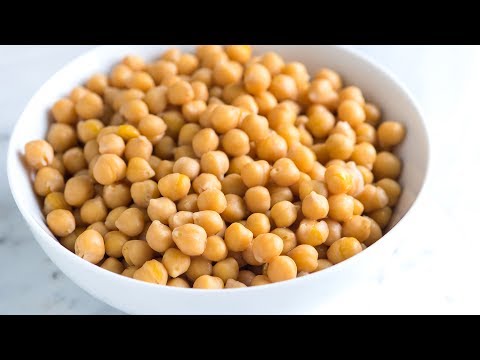
Chickpeas can be vulnerable to several pests, including aphids, caterpillars, and root rot caused by fungi. Proper spacing also promotes better pollination and ensures your plants have ample access to sunlight and nutrients. To reduce evaporation, apply a layer of mulch around the base of the plants. If you live in an area with hot summers, partial shade in the afternoon can also help protect the plants from excessive heat. To prepare the soil, incorporate organic matter such as compost or well-rotted manure to improve the texture and fertility. They do not like their roots sitting in waterlogged soil, which can lead to root rot.
How to Grow Chickpeas in Your Home Garden
- Early spring is often best since peas grow better in cool weather before summer heat arrives.
- Once your chickpea seeds are planted, they need consistent care to thrive.
- Simply pick a growing area, make sure that it’s well-draining, add a few centimetres of compost over the top, and you’re ready to plant!
- In rainy or humid conditions, chickpeas can be prone to fungal diseases.
- Kabuli chickpeas are more common in American and European grocery stores.
Even a small plot can produce an impressive volume, so you might be surprised at how many beans you harvest. Chickpeas are not particularly attractive to insect pests. Click on this link to view a video demonstrating this chickpea germination method.
Once an avid gardener with a herb garden, a succulent rockery, and a rose garden – to mention a few. She’s never met a plant she didn’t like and, consequently, she writes about every type of plant you can think of. Patricia has many years of Grow Chickpeas in Pot experience as a content writer on various subjects, but her first love is gardening. They are favoured in Middle Eastern recipes, and Indian, Greek, Mediterranean and European dishes We hear the word Chickpea and more than a dozen recipes float off the tongue; recipes in which they are used, but not everyone would recognize them. If a plant shows signs of infection, it should be removed to prevent the infection from spreading.